Closer to People : Bringing NCD Care to Rwanda’s Communities
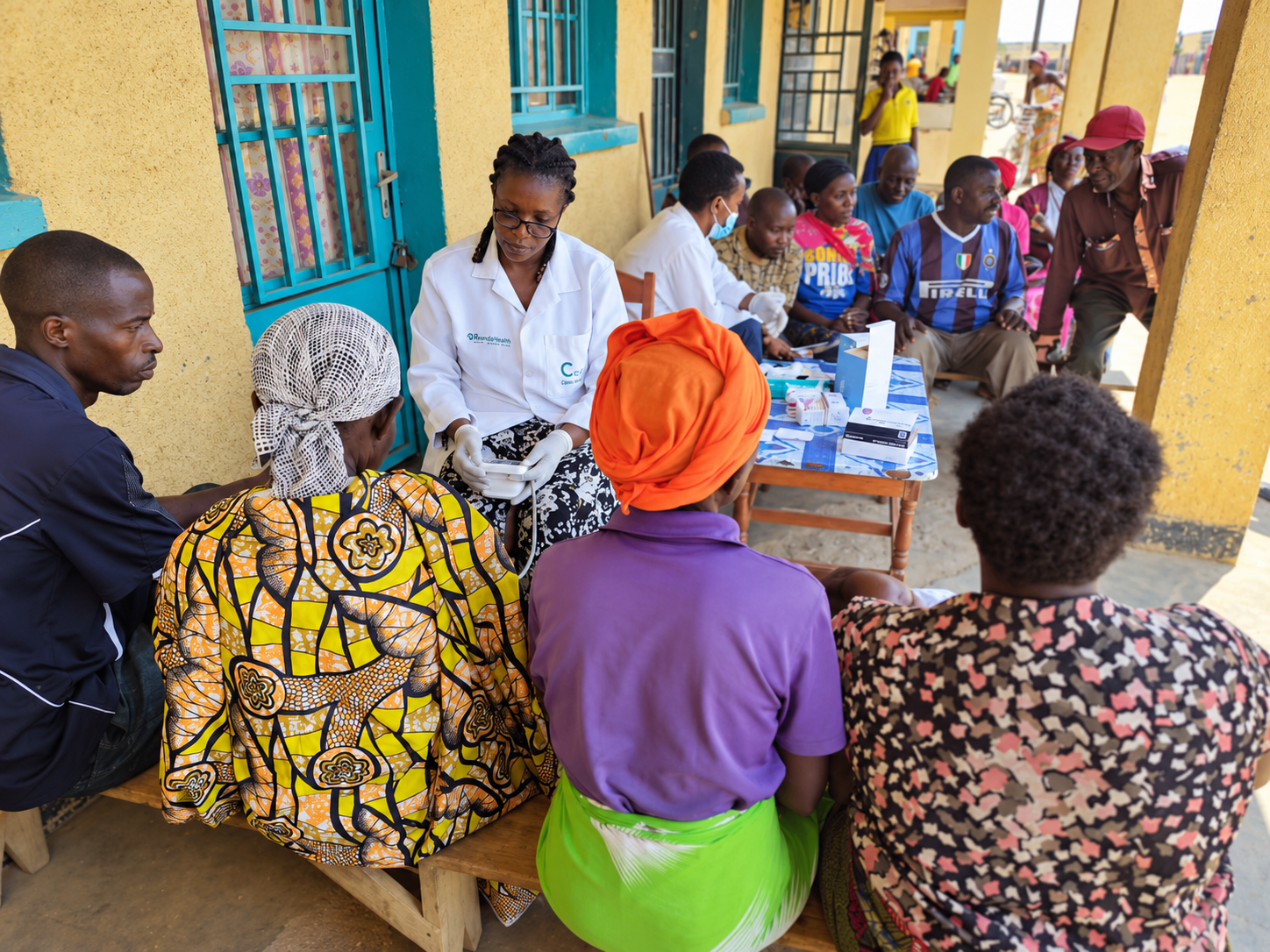
Nurses conducting community screenings at Nzangwa Health Center in Bugesera District.
For many people living with hypertension or diabetes, the first barrier to care is not necessarily the absence of treatment. It may be something much earlier: not knowing that they need it in the first place.
Health Builders’ NCD work goes beyond the screening, to strengthening the connection between communities and health facilities. Equipping CHWs with the skills and equipment such as s blood pressure machines, glucometers and supplies has made the screening services accessible at the where they live or work rather than several kilometers away at the health center, while training and mentorship on digital system made the service data more useful for the program coordination. Our interventions have included training more than 8,000 CHWs in hypertension and diabetes screening and reporting through the Community Electronic Medical Records system and provision of equipment and supplies whereby more than 1,800 screening kits have been distributed.
For Nyirakamana Pascasie, a resident of Bugesera District, access to screening came closer to home. During a community screening in her village, she was found to have hypertension and was referred to Nyamata Health Center for further care.
At the health center, Pascasie is followed by health workers who provide her with the medicines and care she needs, as well as advice to help her manage her condition.
Her experience reflects the importance of bringing screening closer to where people live, and ensuring that identifying a health condition is followed by a connection to continued care.
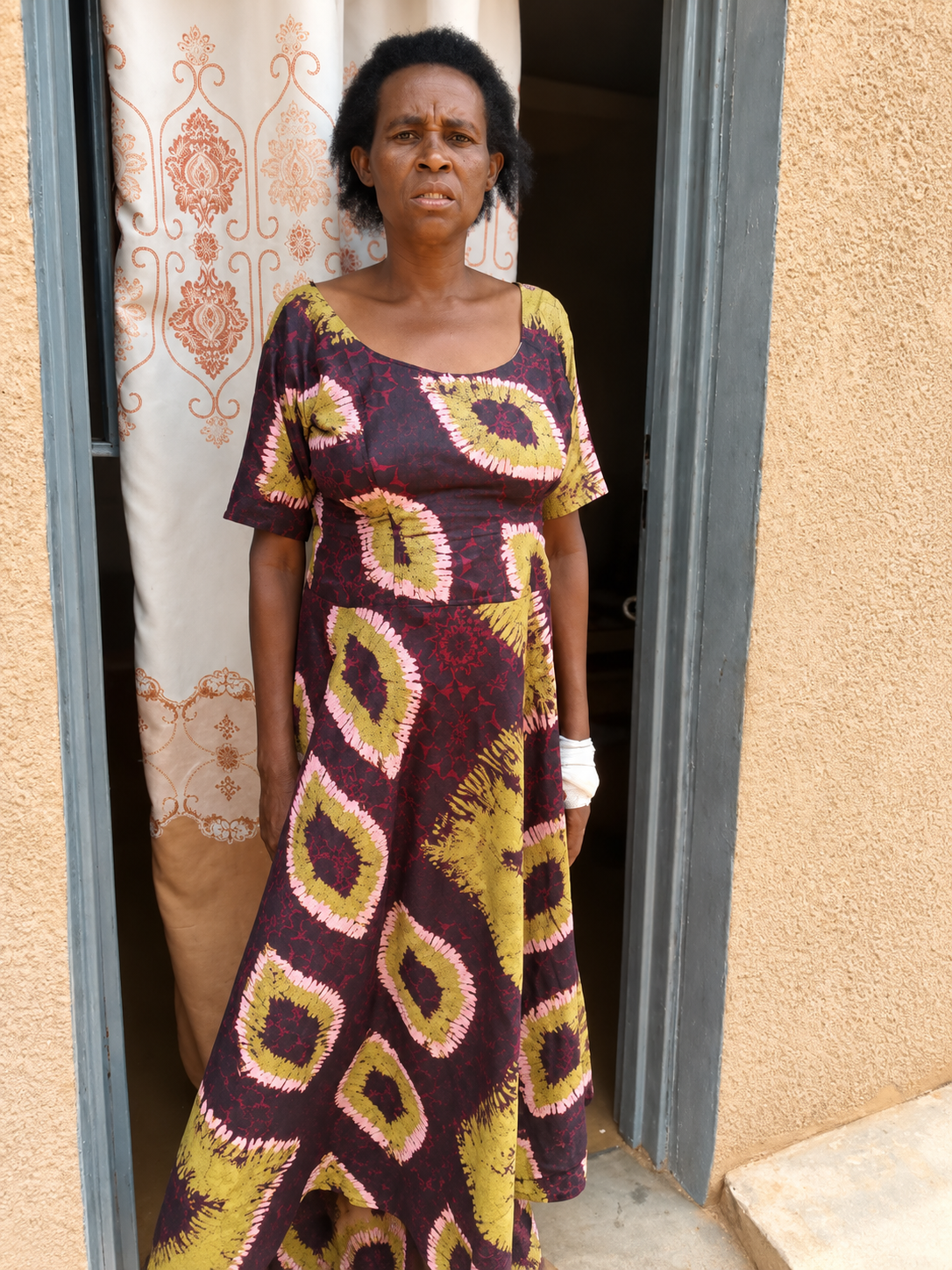
“Before, I did not think it was necessary for me to go for screening because I did not feel sick. When the screening services were brought to my village, it became easier for me to get screened because I did not have to travel far to a health facility. I decided to take the opportunity to check my health, and that is when I found out that I had hypertension. I was then referred to Nyamata Health Center, where I now receive care and treatment.”
- Nyirakamana Pascasie, Bugesera District
From Screening to Care
Identifying a medical condition is only the beginning. For someone diagnosed with hypertension or diabetes, access also means being connected to treatment and receiving continued follow-up.
Health Builders’ NCD work is not only about the screening, but also strengthening the connection between communities and health facilities and improving the quality of treatment and follow-up services.
Across the districts where this work has been implemented, more than 300,000 people have been screened for hypertension and diabetes, including more than 102,000 screened by Community Health Workers. More than 45,000 new cases of hypertension and 9,000 cases of diabetes have been identified, with 37,000 and 9,000 respectively linked to care.
The digital tools used by CHWs also support this connection by strengthening reporting and helping health teams track services and follow-up.

Christine provides information to a community member before conducting her screening.
“When we screen people and find that they have high blood pressure or diabetes, we give them advice about their lifestyle and refer them to the health center,” explains Christine Mukeshimana, a Community Health Worker in Bugesera District.
She adds, “Before, we would ask the community to attend screenings so they could know their health status, but some people never took it seriously. They thought it was not necessary. After advocacy and continuously educating the community, we have seen a lot of changes. People come to screenings more often, they are more curious about their health and what they can do to prevent NCDs. For patients who are diagnosed, they listen to us and take our advice about lifestyle changes.”
Access Means Strengthening the Health System Around the Patient
Bringing care closer to communities is not only about adding services at the community level. It also requires health facilities that are equipped and prepared to respond to the needs identified in those communities.
Health Builders’ broader approach to strengthening primary healthcare combines community-level capacity with support to health facilities. This includes training and mentorship, lifesaving technology and equipment, and construction or improvement of health centers and health posts.
Across Health Builders’ work, eight new health centers and four health posts have been constructed in areas identified as most in need. The infrastructure now serves as the first point of care for more than 350,000 people.
For people living with chronic conditions, this connection between community and facility can make an important difference: screening can lead to diagnosis, diagnosis can lead to treatment, and treatment can become part of ongoing care.

A nurse educating the community before screening in Nyamata Cell, Bugesera District
What Access Looks Like When Care Comes Closer
“Today, I am glad that I was referred to the health center for follow-up. I take my medication as prescribed, and I follow the advice I receive from the health workers about my health so that I can better manage my condition.”, Nyirakamana Pascasie, Bugesera District
For Health Builders, access is about making healthcare available to people living in rural Rwanda, and creating systems that allow that access to continue. The goal is not simply to bring a service closer for one moment, but to strengthen the people, facilities, tools and systems that help communities receive reliable care over time.
When screening happens closer to home, when Community Health Workers have the tools and training to identify health needs, and when health facilities are prepared to provide follow-up care, the distance between a community and the healthcare system becomes smaller.
That is what bringing NCD care closer to people can look like.