From Paper to Digital: Empowering Community Health Workers to Deliver Better Care
Every day, Community Health Workers (CHWs) serve as the first point of contact for healthcare in Rwanda's communities. They visit households, monitor pregnancies, follow up with children, support people living with chronic conditions, and ensure families are connected with the care they need.
For many years, this critical work relied on paper-based systems. CHWs used multiple registers to record patient information, track follow-up visits, and compile reports, often spending significant time on documentation instead of direct community care. Paper records were also vulnerable to damage and loss, limiting continuity of care.
Today, that reality is changing.
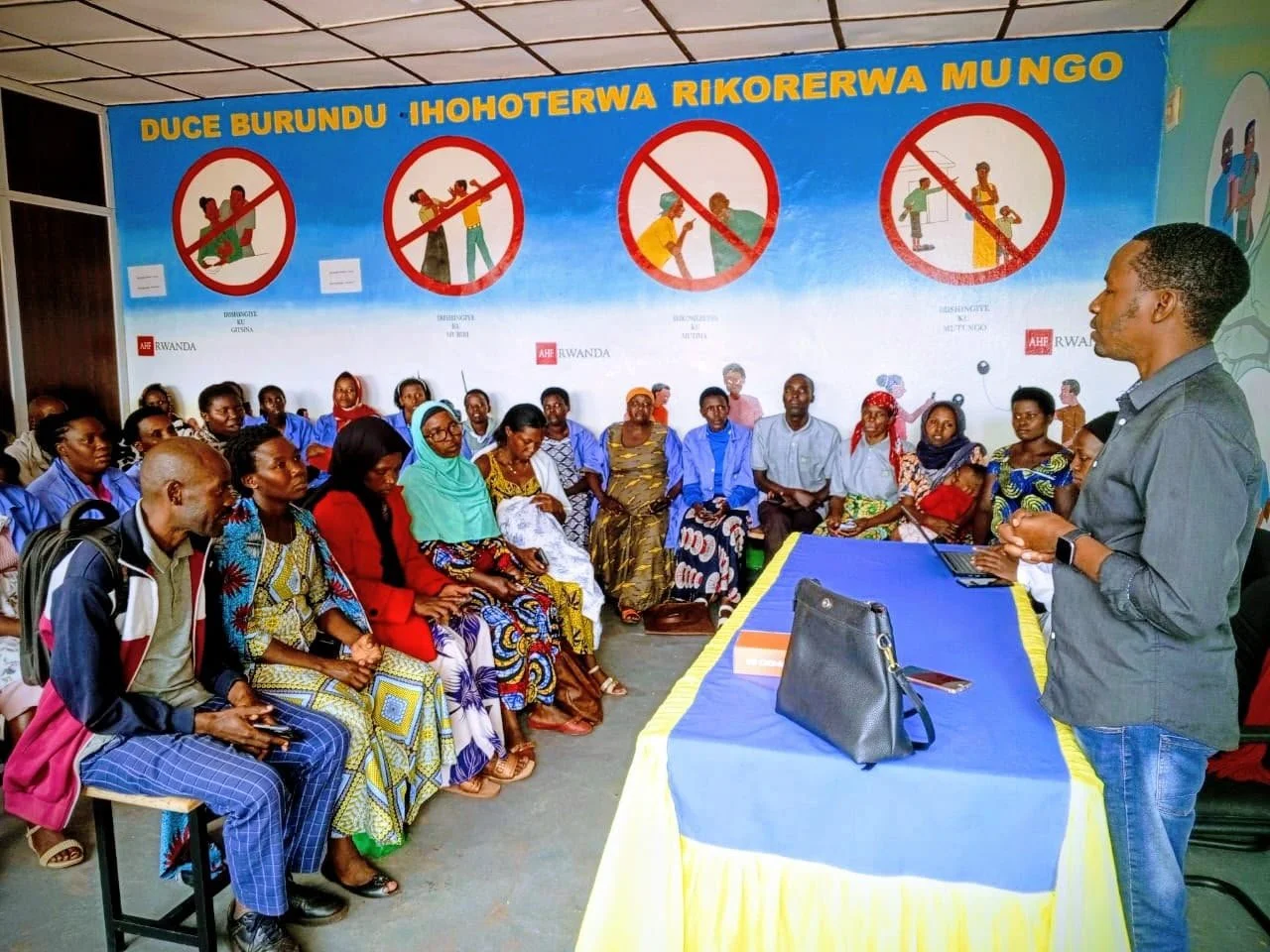
Jean Pierre Ndagijimana, Health Builders Quality Improvement and Clinical Management Specialist, is providing training to Community Health Workers in Rwamagana District.
Through a partnership between Health Builders, the Ministry of Health, and district health teams, more than 5,500 Community Health Workers in Bugesera, Rwamagana, and Kicukiro districts have been trained on the Community Electronic Medical Record (cEMR) system. This initiative represents an important milestone in Rwanda's journey toward a stronger, more connected digital health system, replacing more than 15 paper registers with a single digital platform for patient registration, follow-up, and reporting.
In addition to training on the cEMR system, Community Health Workers strengthened their skills in screening for hypertension and diabetes. They were also equipped with smartphones and essential screening tools, including blood pressure monitors and glucometers. These tools will improve the quality of community-based care, enhance health data reporting, and support timely referral and follow-up for patients.
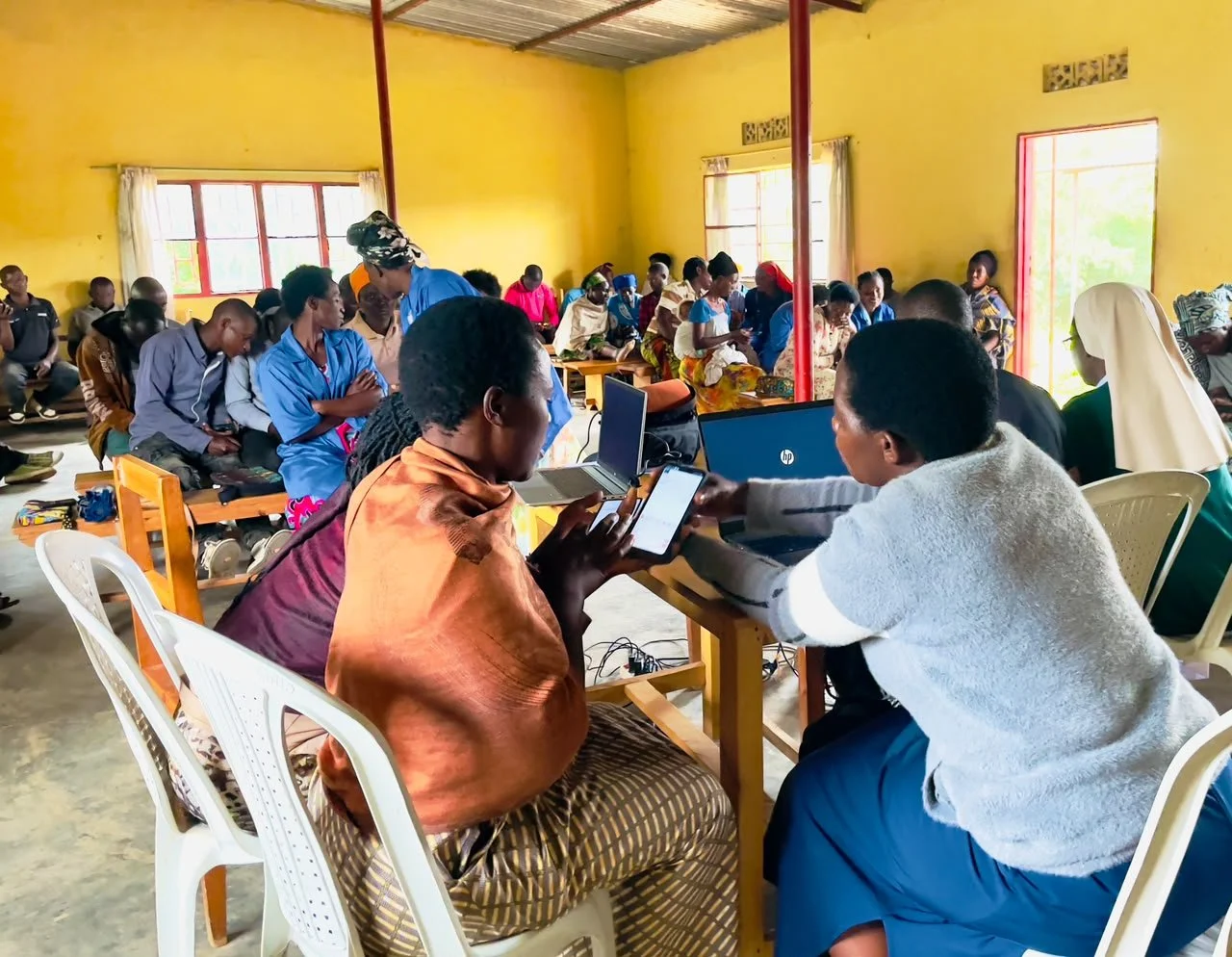
Rosalie Mukamwiza, Health Builders Clinical Mentorship Officer, providing training to Community Health Workers in Bugesera District.
A New Way of Working
For many Community Health Workers, the shift from paper-based records to digital systems represents a major transformation of how they serve their communities.
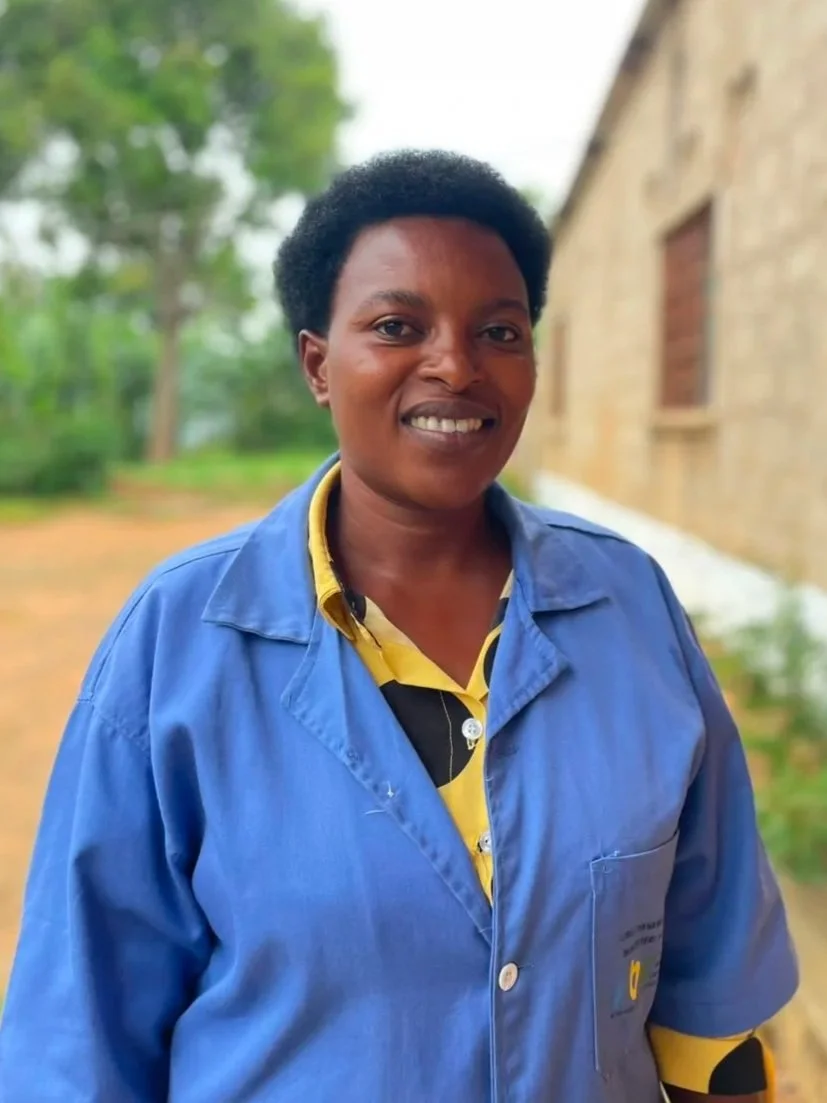
Before the training, Yvonne Niyongabire from Bugesera District relied entirely on paper registers to record patient information.
"Before, we used paper registers to record patient information, but they were not always reliable, as they could easily be damaged by rain or fire. Now, with smartphones and training on how to use them, we can safely store information and serve more people more effectively."
The cEMR system allows CHWs to record patient data more efficiently, access information during follow-up visits, and submit reports without relying on multiple registers. With less time spent on paperwork, CHWs can now dedicate more time to supporting families in their communities.
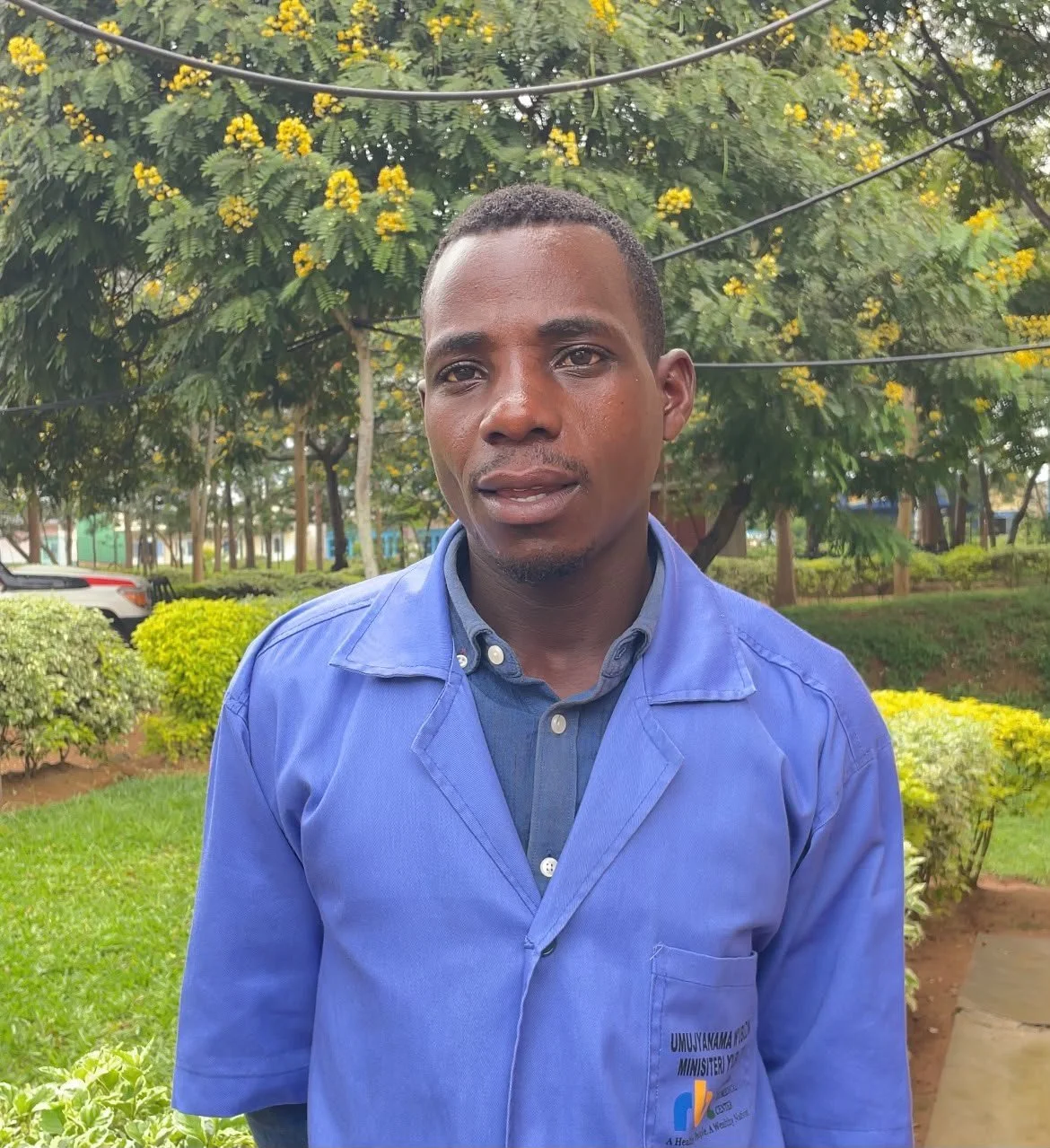
Jean Marie Vianey Nsabimana, a Community Health Worker from Mayange Sector in Bugesera District, noted that the training also strengthened his confidence in using digital tools in his daily work.
"This training has been very valuable because it has improved my digital skills. I learned how to use the system to follow up with children, pregnant women, and other members of the community."
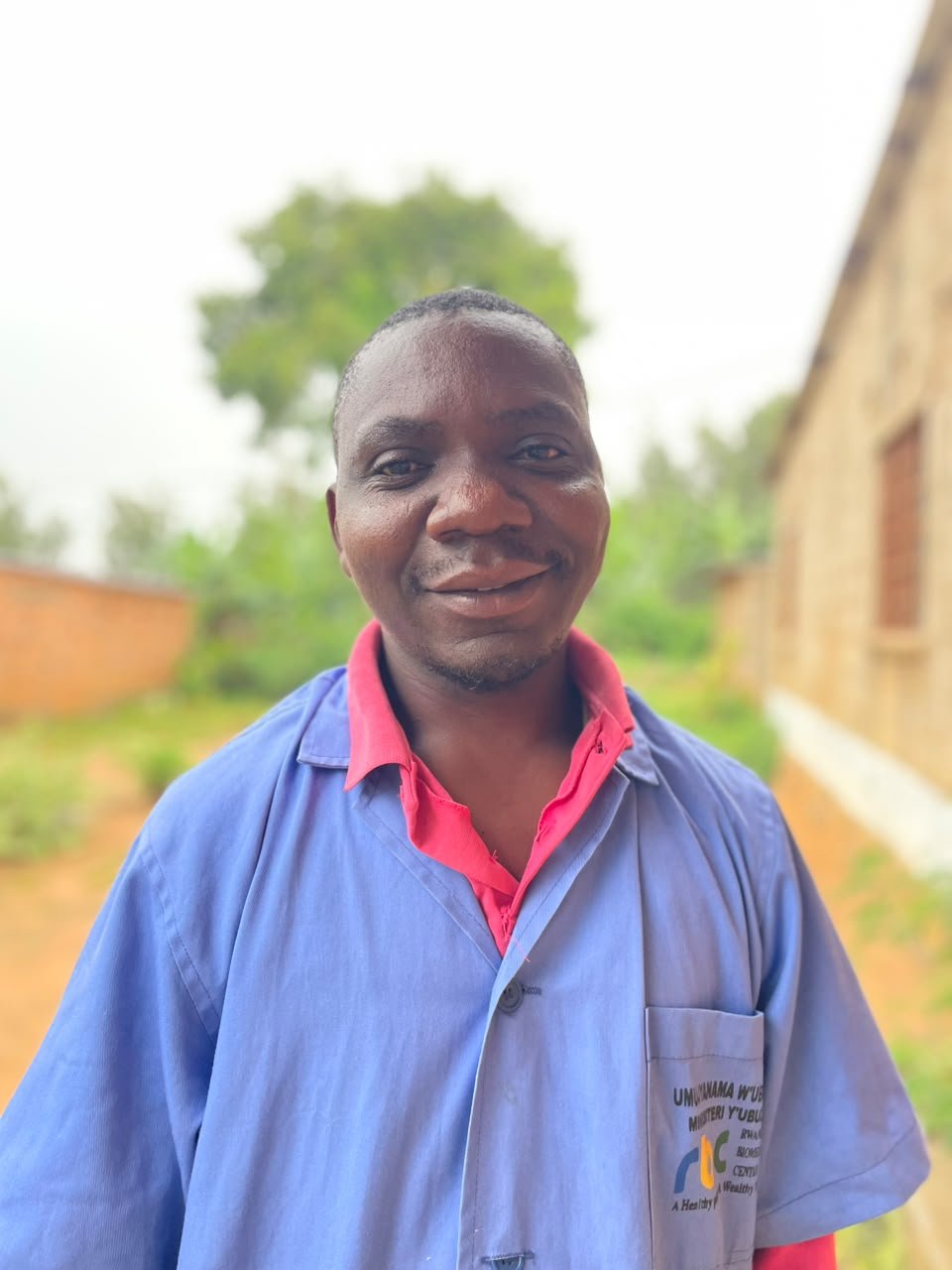
Similarly, Jean Baptiste Nsabimana, a Community Health Worker in Bugesera District highlighted how the digital platform will make it easier to care for more people.
"We were first trained on how to use smartphones and then on the cEMR application, including the 'Iwacu' system. It helps us register families, record health information, and follow up with patients. This will enable me to care for and monitor many more people than before."
Strengthening Community Healthcare
Digital tools alone do not transform healthcare; people do
By equipping Community Health Workers with digital skills, practical tools, and updated clinical knowledge, Health Builders is helping strengthen healthcare where it matters most: in the community.
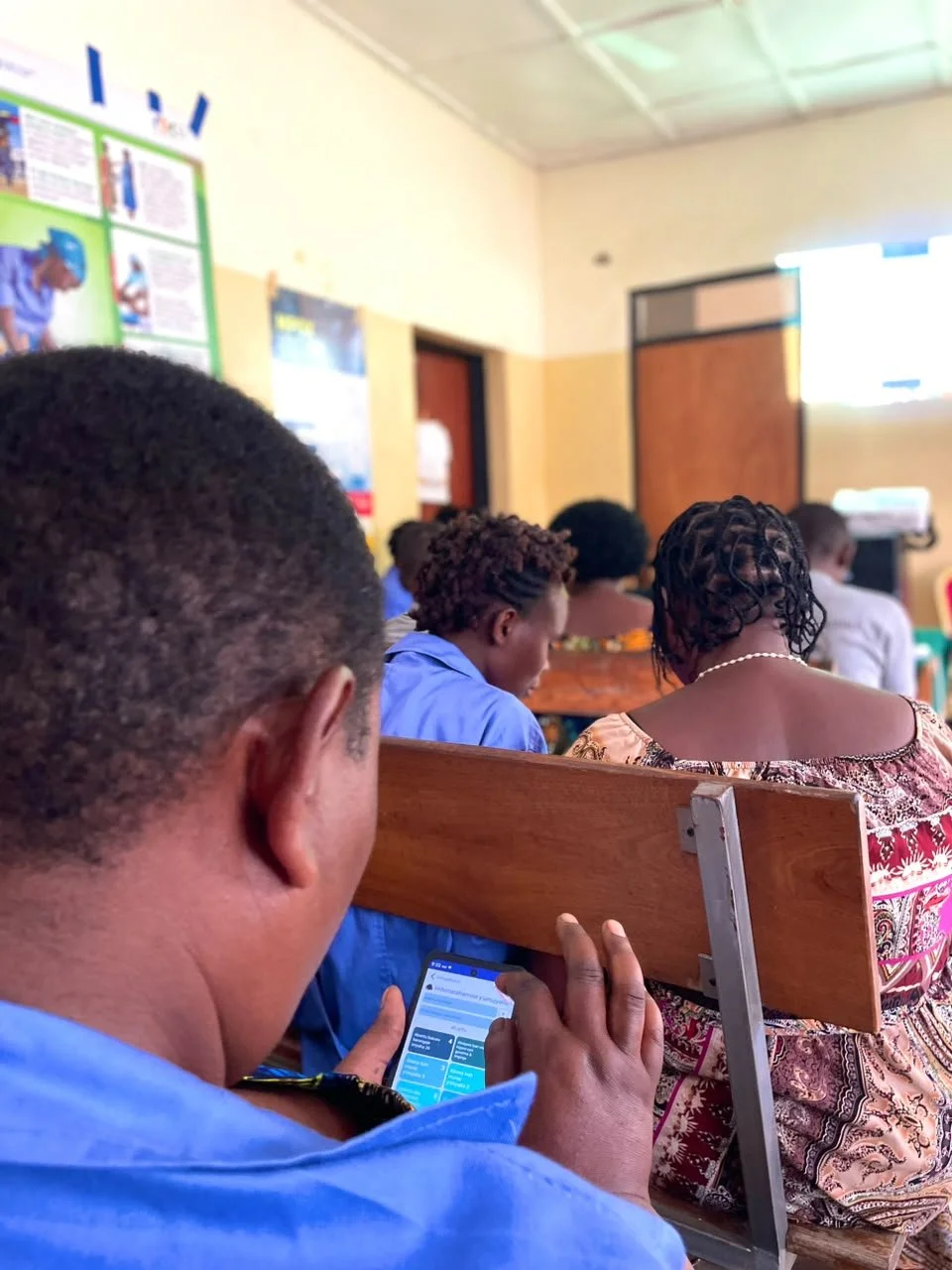
The transition to the cEMR system will improve the quality and reliability of health data, enable faster reporting, and support better decision-making across Rwanda's health system.
More importantly, it will allow Community Health Workers to spend more time providing care, guidance, and follow-up to mothers, children, and families.
As Health Builders continues to work alongside the Ministry of Health, district health teams, and local partners, we remain committed to building a more connected and resilient health system, one that leverages innovation and partnership to improve health outcomes for all.